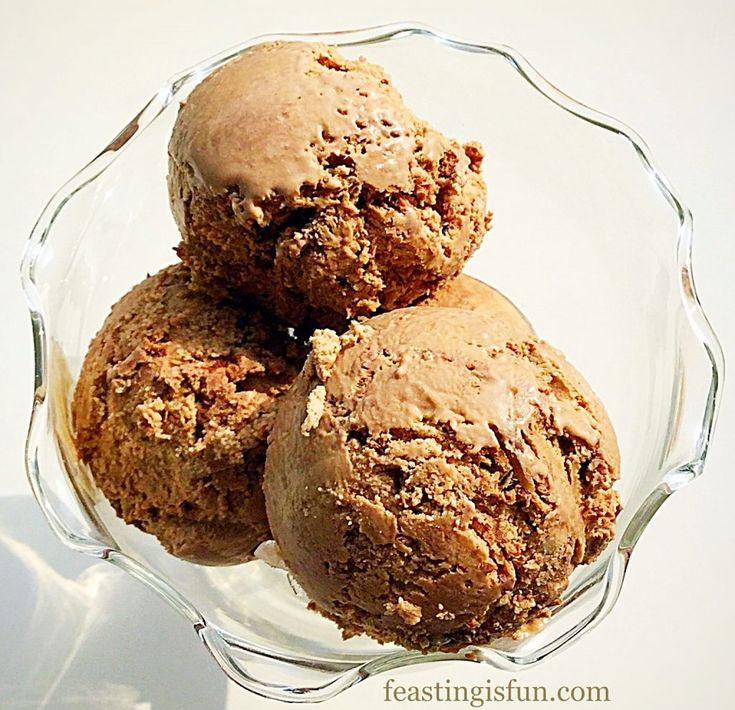
Unlock Ultimate Creaminess: Homemade Orange Ice Cream Secrets
Imagine a scoop of sunshine hitting your palate, a vibrant burst of fresh orange flavor melding with an exquisitely smooth, rich texture. That's the promise of truly great homemade orange ice cream. Far removed from artificial syrups and icy disappointments, this is a treat that balances bright, zesty citrus with a luxurious, velvety consistency. It’s a culinary alchemy that transforms simple ingredients into an unforgettable dessert.
For those who've chased the perfect scoop, the journey often involves a delicate dance between flavor intensity and structural integrity. Through countless kitchen experiments and refinements—much like the dedication that led to this perfected recipe over a dozen test batches—we’ve uncovered the secrets to achieving an intensely flavorful yet remarkably stable orange ice cream that resists iciness and delivers unparalleled creaminess. Get ready to ditch the store-bought tubs; your ultimate citrus dessert experience begins here.
The Culinary Science Behind Supreme Creaminess
The hallmark of truly exceptional ice cream isn't just flavor; it's the mouthfeel. Our quest for ultimate creaminess begins with a classic foundation: the cooked custard base. This French-style base, often referred to as a "French custard," is the secret weapon against ice crystals and a champion of richness.
- Egg Yolks: The Emulsifying Maestros
The stars of the custard base are egg yolks. When gently cooked, they create a stable emulsion, binding water and fat together. This emulsion is crucial because it significantly resists the formation of large ice crystals, which are the culprits behind an icy texture. Furthermore, yolks contribute an unmistakable richness and silkiness that elevate the entire experience. Learning to gently temper your yolks is a small but critical step that prevents curdling, ensuring your custard remains smooth and luxurious, never grainy. - Dairy Dynamics: Fat for Mouthfeel, Milk for Flavor Transfer
The combination of heavy cream and whole milk is deliberate. Heavy cream, with its high fat content, is indispensable for a smooth, rich mouthfeel. It coats the tongue beautifully and contributes significantly to the overall creaminess. Do not be tempted to substitute with light cream, as the reduced fat will compromise the texture. Whole milk, while lower in fat than cream, plays a vital role in thinning the custard to the right consistency and acting as a carrier for the vibrant orange flavors, allowing them to disperse evenly. - Sugar's Dual Role: Sweetness and Structure
Granulated sugar isn't just for sweetness. It also plays a critical textural role by lowering the freezing point of the mixture. This scientific principle means the ice cream won't freeze rock-solid, making it softer and more scoopable directly from the freezer. Adjusting sugar content slightly can alter firmness; a less sweet version will inherently be firmer. - The Scoopability Boost (Optional but Recommended)
For that perfectly soft scoop, even after extended freezer time, a touch of alcohol (like orange liqueur such as Cointreau) or light corn syrup can work wonders. These ingredients further depress the freezing point, ensuring your homemade orange ice cream remains pliable and delightful, rather than requiring a chisel.
Unlocking Authentic Orange Flavor: Beyond the Zest
When it comes to orange ice cream, "true orange flavor" means avoiding anything artificial. It's about harnessing the full spectrum of citrus notes from the fruit itself.
- The Power of Zest: Volatile Oils are Key
Orange zest is non-negotiable. The outer layer of the orange peel contains highly aromatic volatile oils that provide a bright, floral, and intensely fresh note that the juice alone cannot deliver. This is where the perfume of orange truly shines. We recommend adding zest at a specific point in the process to maximize its aromatic contribution without overcooking it. - Freshly Squeezed Juice: Brightness Untamed
Forget bottled orange juice. Its flavor is typically flat, pasteurized, and lacks the vibrant acidity and nuanced sweetness of freshly squeezed oranges. Using freshly squeezed juice is paramount for that sun-kissed, natural taste. A slight reduction of the fresh juice can concentrate its flavor even further, ensuring the orange notes sing through the creamy base without over-thinning it. - Vanilla and Salt: The Unsung Heroes
A touch of vanilla extract isn't just for vanilla ice cream; it provides a warm, complementary note that balances the citrus's brightness, adding depth and complexity. Similarly, a pinch of kosher salt might seem counterintuitive in a sweet dessert, but it's a flavor enhancer that amplifies both the sweetness and the citrus aroma, making the overall profile more vibrant and well-rounded.
Essential Ingredients for Your Perfect Batch
Precision in ingredients is key to success. Here’s a breakdown of what you’ll need and why:
- Whole Milk (240 ml / 1 cup): Thins the custard and ensures even distribution of flavor. While 2% milk can be used for a lighter result, expect a slightly less creamy texture.
- Heavy Cream (480 ml / 2 cups): Provides the essential fat for a rich, smooth mouthfeel. Do not compromise with light cream.
- Granulated Sugar (150 g / ¾ cup): Sweetens and aids in texture. You can reduce by up to 25g (2 tbsp) for a less sweet version, but it will result in a firmer ice cream.
- Large Egg Yolks (5 yolks / ~100 g total): Crucial for building the custard's structure and imparting that desirable silky texture. For those seeking an eggless option, explore specialized variations.
- Fresh Orange Juice (180 ml / ¾ cup): Absolutely must be freshly squeezed for optimal brightness and flavor. Bottled juice simply won't yield the same vibrant taste.
- Orange Zest (2 tbsp, from ~2 medium oranges): Essential for its aromatic oils and floral notes. This ingredient should not be omitted.
- Vanilla Extract (5 ml / 1 tsp): Adds a warm, balancing undertone to the bright citrus.
- Kosher Salt (¼ tsp / 1.5 g): Enhances both sweetness and overall aroma. Note: If using Morton's kosher salt, halve the amount to ⅛ tsp due to its finer grain.
- Optional Scoopability Boosters:
- Orange Liqueur (15 ml / 1 tbsp, e.g., Cointreau): Adds a subtle extra orange note while improving scoopability.
- Light Corn Syrup (15-30 g / 1-2 tbsp): A neutral alternative to liqueur that also lowers the freezing point.
A note on quality: Always opt for fresh, reliable brands for your dairy and eggs. The quality of your base ingredients will directly impact the final product.
Mastering the Process: Tools and Techniques
While the concept of making ice cream might seem daunting, having the right tools and understanding the fundamental steps makes all the difference.
Essential Equipment:
- Heavy-Bottomed Saucepan (2-3 L): Critical for even heat distribution, preventing scorching of the custard.
- Whisk and Heatproof Spatula: For constant stirring and scraping during custard preparation.
- Instant-Read Thermometer (or Candy Thermometer): Absolutely necessary for ensuring your custard reaches the correct temperature for food safety and optimal thickness without overcooking.
- Fine-Mesh Sieve: For straining out any zest particles or tiny cooked egg bits, ensuring a perfectly smooth custard.
- Ice Cream Maker (1.5-2 Quart): Recommended for the creamiest results. If you don't have one, don't despair—there are excellent no-churn variations (see below).
- Large Bowl and Ice Bath: For rapid chilling of your custard, a vital step to prevent bacterial growth and ensure proper texture.
- Airtight Freezer Container (1.5-2 L) or Loaf Pan with Plastic Wrap: For freezing and storage.
The Process at a Glance:
The journey to sublime orange ice cream typically involves three main phases: cooking the custard, chilling, and churning. Mastering the cooked custard base is arguably the most crucial step for achieving that silky, rich texture. This involves gently heating your dairy, tempering your egg yolks with the warm mixture, and then cooking the combined base to the precise temperature where the yolks thicken it without scrambling. This process is where the magic of emulsion truly happens.
Once your custard is perfectly cooked, it must be chilled rapidly and thoroughly. An ice bath is your best friend here. Rapid chilling not only ensures food safety but also helps the fats in the custard solidify, which contributes to a smoother final texture. Finally, the chilled custard is churned in an ice cream maker, where air is incorporated, and the mixture freezes into its creamy form. For a deeper dive into perfecting your custard base, explore our guide on True Orange Flavor Ice Cream: Master the Silky Custard Base.
Tips for a Flawless Scoop & Delightful Variations
Even with the best recipe, a few extra tips can elevate your homemade orange ice cream from great to extraordinary.
- Chill Thoroughly: Do not skimp on chilling time for your custard. It needs to be thoroughly cold (at least 4°C/40°F) before churning for optimal texture. Warm custard will not churn correctly and can lead to icier results.
- Don't Overfill Your Churner: Always check your ice cream maker's capacity. The mixture expands as air is incorporated during churning.
- Rapid Freezing: After churning, transfer the soft ice cream to your airtight container and place it in the coldest part of your freezer immediately to harden. For best results, press a piece of plastic wrap directly onto the surface of the ice cream before sealing the container to prevent freezer burn and ice crystals.
- Troubleshooting Icy Ice Cream: If your ice cream turns out icy, it might be due to insufficient fat or sugar, over-churning, or not chilling the base adequately before churning. Revisit your ingredient ratios and chilling process.
- No-Churn Alternative: Don't have an ice cream maker? You can still achieve a wonderfully creamy orange ice cream! The secret often lies in a condensed milk base combined with whipped cream, which eliminates the need for churning. This method relies on the high fat and sugar content of condensed milk to achieve a smooth texture. Learn more about this simpler approach in our article: Easy Orange Ice Cream: No Machine Needed for Bright Citrus.
- Flavor Twists:
- Chocolate Orange: Fold in finely chopped dark chocolate or mini chocolate chips after churning for a classic flavor pairing.
- Spice It Up: A tiny pinch of cardamom or a whisper of ginger can add an unexpected layer of warmth to the citrus.
- Less Sweet/Lighter: As noted in the ingredient section, you can reduce sugar slightly or use 2% milk, but be aware of the resulting texture changes.
Conclusion: Your Journey to Orange Ice Cream Bliss
Crafting homemade orange ice cream is a rewarding culinary adventure that delivers a dessert far superior to anything store-bought. By understanding the roles of a cooked custard base, fresh and vibrant orange ingredients, and meticulous technique, you can unlock ultimate creaminess and true, unadulterated orange flavor. Each spoonful becomes a testament to your kitchen prowess, a bright, smooth, and intensely satisfying experience that captures the essence of sunshine in a bowl. So, gather your ingredients, follow these secrets, and prepare to delight in the unparalleled joy of your own perfect scoop.
